Negotiated prices will reduce list prices by an average of 53.5%, delivering significant savings for patients and taxpayers
WASHINGTON, D.C. — The Centers for Medicare and Medicaid Services (CMS) has announced new lower prices from the third round of Medicare drug price negotiations, further demonstrating the program’s effectiveness in lowering prescription drug costs for patients and taxpayers.
The new negotiated prices for 13 drugs, used to treat conditions including diabetes, cancer, HIV, and autoimmune diseases, will take effect in January 2028. According to CMS, patients on Medicare are projected to save approximately $464 million in out-of-pocket costs in 2028, including $395 million for patients with Part B and $69 million for patients covered under Part D. The negotiated prices would have saved Medicare an estimated $9.2 billion in 2025, or $5.5 billion when accounting for the Manufacturer Discount Program. The prices represent reductions ranging from 34% to 84%.
CMS also announced today that six drugs from across all three rounds — Farxiga, Januvia, Janumet, Ofev, Pomalyst, and Xolair — will exit the program following the introduction of generic or biosimilar competition, as intended under the law.
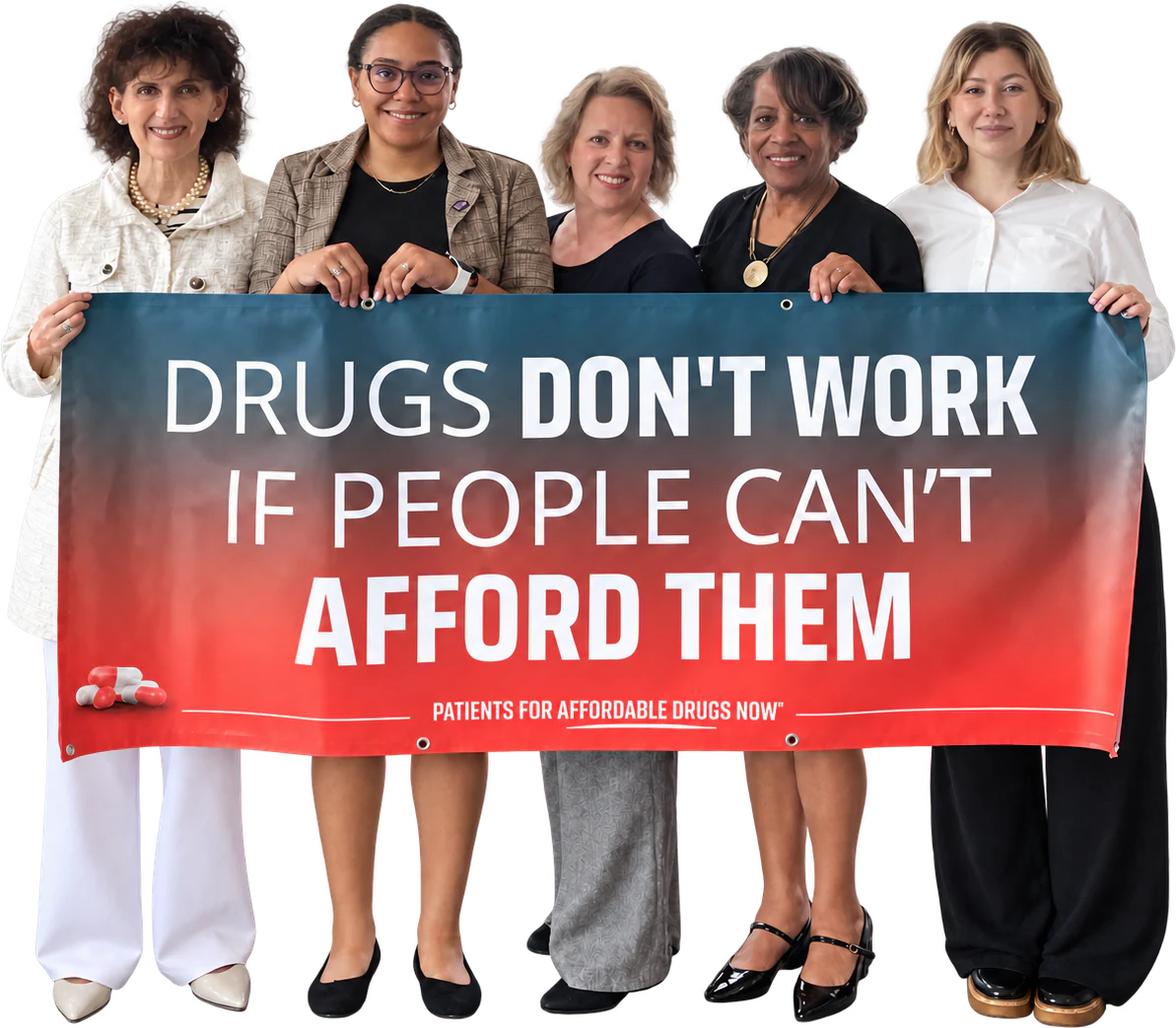
In response, Merith Basey, CEO of Patients For Affordable Drugs, issued the following statement:
“Medicare’s third round of negotiated prices demonstrates what patients already know: negotiation works. Across two administrations, Medicare has secured lower prices and billions in savings for patients and taxpayers. A majority of Americans across party lines support negotiating prices for all drugs. Congress must build on the program’s success by allowing Medicare to negotiate more drugs, sooner. Patients cannot afford to wait!”
Andrea B. from Pennsylvania, who relies on Trulicity, said:
“Honestly, this is a relief because I take multiple drugs due to my Multiple Sclerosis, and I hit the cap pretty quickly. The price I pay for just my prescription drugs is just ridiculous. Medicare should be able to negotiate more of these drugs that we need to live.” In 2028, the negotiated list price for Trulicity will be reduced to $150 per month — an 84% price reduction from $965.
Pharmaceutical Revenue
Together, the 13 drugs generated more than $59.3 billion in combined global revenue in 2025:
-
Trulicity, manufactured by Eli Lilly, served 617,000 patients on Medicare. In 2025, the drug generated $4.3 billion in revenue.
-
Biktarvy, manufactured by Gilead Sciences, served 101,000 patients on Medicare. In 2025, the drug generated $14.3 billion in revenue.
-
Orencia, manufactured by Bristol Myers Squibb (BMS), served 72,000 patients on Medicare. In 2025, the drug generated $3.7 billion in revenue.
-
Cosentyx, manufactured by Novartis, served 40,000 patients on Medicare. In 2025, the drug generated $6.7 billion in revenue.
-
Erleada, manufactured by Johnson & Johnson (J&J), served 19,000 patients on Medicare. In 2025, the drug generated $3.6 billion in revenue.
-
Kisqali, manufactured by Novartis, served 17,000 patients on Medicare. In 2025, the drug generated $4.8 billion in revenue.
-
Entyvio, manufactured by Takeda, served 37,000 patients on Medicare. In 2025, the drug generated $6.4 billion in revenue.
-
Verzenio, manufactured by Eli Lilly, served 15,000 patients on Medicare. In 2025, the drug generated $5.7 billion in revenue.
-
Lenvima, manufactured by Eisai, served 10,000 patients on Medicare. In 2025, the drug generated $2.2 billion in revenue.
-
Rexulti, manufactured by Otsuka and Lundbeck, served 119,000 patients on Medicare. In 2025, the drug generated $2.2 billion in revenue.
-
Xeljanz and Xeljanz XR, manufactured by Pfizer, served 22,000 patients on Medicare. In 2025, the drugs generated $1.1 billion in revenue.
-
Anoro Ellipta, manufactured by GlaxoSmithKline (GSK), served 281,000 patients on Medicare. In 2025, the drug generated $714 million in revenue.
-
Cimzia, manufactured by UCB, served 38,000 patients on Medicare. In 2025, the drug generated $2 billion in revenue.
-
Tradjenta, manufactured by Boehringer Ingelheim, served 248,000 patients on Medicare. In 2025, the drug generated around $1.6 billion in revenue. Tradjenta was selected for renegotiation.
Of the 16 drugs originally selected in round three, two drugs (Xeljanz/Xeljanz XR and Xolair) will no longer receive new negotiated prices because CMS determined that qualifying generic or biosimilar competition had entered the market. Botox and Botox Cosmetic will also not receive new negotiated prices following a federal court ruling, after AbbVie challenged their inclusion in the program. The litigation remains ongoing, and the exclusion applies while the court order remains in effect.
Farxiga, Januvia, Janumet/Janumet XR, Ofev, and Pomalyst will exit the program on January 1, 2028, while Xolair will formally exit on January 1, 2029. Farxiga and Januvia’s negotiated prices took effect in 2026, and the negotiated prices for Janumet, Ofev, and Pomalyst will take effect in 2027. While this competition can help lower prices, its availability on the market does not guarantee that patients will see savings equivalent to those delivered through Medicare negotiation.
Background on Medicare Drug Price Negotiation
The Medicare Drug Price Negotiation Program was established through the 2022 prescription drug law, allowing the federal government to negotiate directly with drug manufacturers for lower prices on some of the most expensive medications covered under Medicare. The first round of negotiated prices took effect in January 2026, covering drugs used by 8.8 million people on Medicare, with list price reductions ranging from 38% to 79%. The second round of negotiated prices will be implemented in January 2027, covering drugs used by 5.3 million people on Medicare, with list price reductions ranging from 38% to 85%. 86% of voters support allowing Medicare to negotiate prices for all drugs.
###
Patients For Affordable Drugs Now is the only national, patient advocacy organization focused exclusively on policies to lower drug prices. We empower and mobilize patients and allies, hold accountable those in power, and fight to shape and achieve system-changing policies that make prescription drugs affordable for all people in the United States. P4ADNow is bipartisan and does not accept funding from organizations that profit from the development or distribution of prescription drugs. To learn more, visit: PatientsForAffordableDrugsNOW.org