
Welcome to the Week in Review.
P4AD Reaches 40,000 Patient Stories
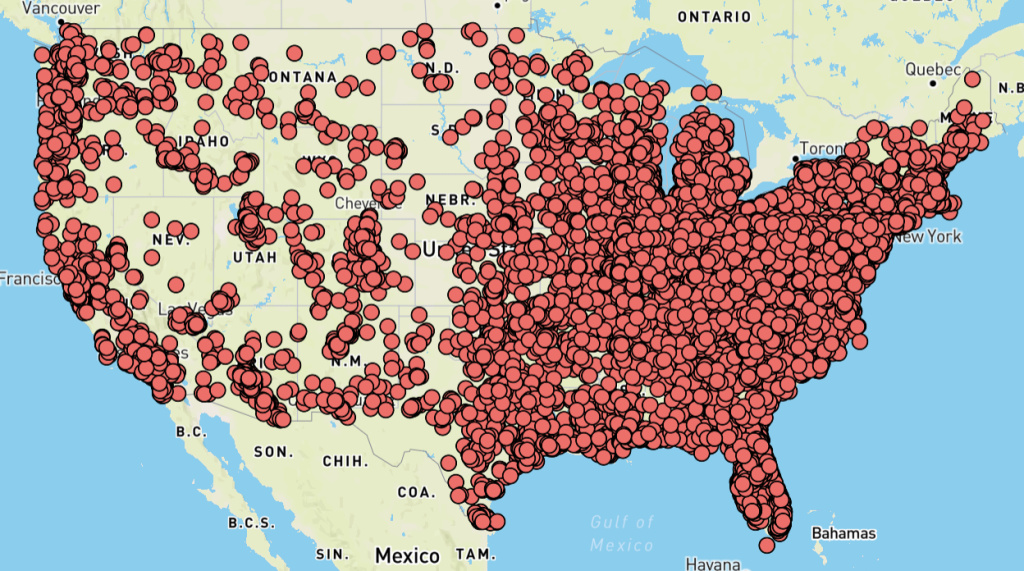
More than 40,000 vetted patient stories are now featured on P4AD’s interactive map, representing every state and congressional district and documenting the harm of high drug prices. What began with one story – from founder David Mitchell – has grown into a nationwide movement of patients pushing for policies that lower drug prices. The sobering milestone underscores both the scale of the crisis, which spans every congressional district, and its impact across communities. — [P4AD]
White House MFN Savings Estimates Raise Questions
The administration’s projected savings from its most-favored-nation (MFN) deals rely heavily on modeling and a series of optimistic assumptions rather than observed policy outcomes. The estimates span all payers — including Medicare, Medicaid, and commercial insurance — even though the underlying agreements are limited in scope and largely confidential, making it difficult to verify the White House’s projections. The analysis assumes codification of the deals, a 30% reduction in U.S. drug prices over time, broad and sustained manufacturer participation, and even global price shifts – all of which are uncertain. It also counts significant savings from applying MFN pricing to future drugs that don’t yet exist, based on historical data projected forward. The projections also hinge on the passage of a bill that would allow people with employer-based insurance to apply expenditures through direct-to-consumer purchasing programs to their deductible. Early disclosures further complicate the picture: filings from companies like Merck and Sanofi indicate that some high-cost and newly launched drugs are excluded, while others suggest agreements may expire after three years – raising questions about how long any savings would last. Taken together, the estimate reflects a potential future scenario rather than a clear picture of what patients are likely to experience in the near term. [White House, STAT News, Forbes]
New Report Highlights Growing Use of Patent Tactics to Delay Competition
A new report from Generation Patient finds that pharmaceutical companies are increasingly using a mechanism called terminal disclaimers to build patent thickets that delay generic competition and keep drug prices high. Nearly 70% of drug patents filed between 2017 and 2021 included terminal disclaimers, up from 36% in the early 2000s. These patents are also appearing more frequently in litigation, with 74% of drug patent cases filed in 2020 involving them. The findings add to growing evidence that brand-name manufacturers are layering patents to stymie the entry of lower-cost generics. For patients – particularly those managing chronic conditions – that means artificially prolonged periods of high prices and limited access to affordable alternatives. The report strengthens the case for the bipartisan ETHIC Act, which would limit how these terminally disclaimed patents can be used to block competition and is designed to address one of the key structural drivers of high drug prices. — [Generation Patient]
TrumpRx Drugmakers Boost Lobbying as Program Took Shape
Pharmaceutical companies participating in TrumpRx increased their federal lobbying spending by nearly 23% in 2025, outpacing the broader industry as the program was negotiated behind the scenes. The 17 companies collectively spent over $130 million – more than a quarter of total industry lobbying – while securing key policy concessions tied to the program. At the same time, many of these companies intensified lobbying on policies that would delay Medicare price negotiation and expand coverage of high-cost drugs like GLP-1s. The overlap highlights a broader dynamic: even as companies participate in high-profile pricing initiatives, they continue to invest heavily in maintaining their monopoly power at the expense of American patients. — [OpenSecrets]
ICYMI: In a new contribution to a broader report on Medicare reform, P4AD CEO Merith Basey pushes back on pharmaceutical industry arguments to roll back drug price negotiation and advocates for an expansion of the program. She highlights that since the policy was enacted, R&D spending has increased, and it is projected to save taxpayers $98.5 billion through 2031, with minimal impact on new drug development.
Patient Advocate Spotlight: Aarolyn McCullough
Condition: Diabetes
Drugs: Everolimus, Zortress, and Ozempic ($2,000 / month before her former employer’s assistance)
Background: Retired liver transplant survivor living in Oak Park, MichiganIn her words: “I can thankfully afford my prescriptions due to manufacturer assistance and health coverage benefits I receive through my former employer: the United States Postal Service. But without such assistance, a situation which I have faced before, I would be paying about $2,000 per month for all of my medications… As a retired individual, this should not be my reality. As an American citizen, I believe we deserve lower-cost prescription drugs because we are simply overpaying compared to the rate other countries pay for the same or equivalent medications.” You can read more about Aarolyn and her story in her recent interview here.
Subscribe to the WEEK IN REVIEW here.